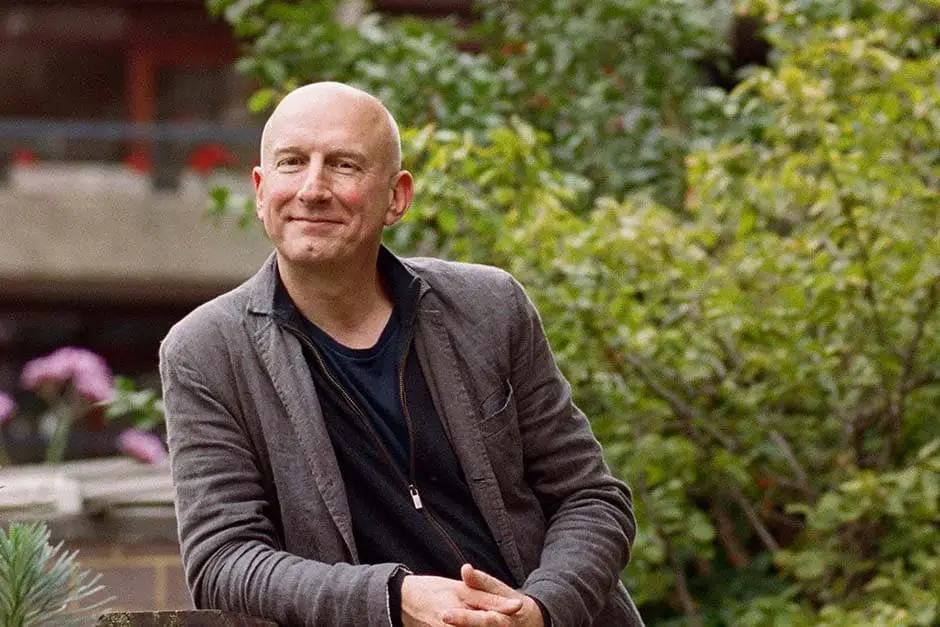
The passing of Nigel Dunnett has been announced today, eliciting heartfelt tributes from across the worlds of gardening, landscape architecture, and design. Recognized globally as one of the most influential figures in contemporary planting design, Dunnett leaves behind a legacy that has profoundly transformed how public landscapes are conceived, crafted, and maintained—not only in the United Kingdom but worldwide.
A respected professor of planting design and urban horticulture at the University of Sheffield’s Department of Landscape, Dunnett was regarded as one of the foremost experts on innovative planting strategies. His work bridged ecology and design, advocating for landscapes that were both visually striking and environmentally resilient. His pioneering approach championed low-input, high-impact planting schemes that emphasized biodiversity, seasonality, and sustainability, setting new standards in the field.
Dunnett was especially celebrated for advancing naturalistic planting—a style that marries scientific ecological principles with bold, painterly aesthetics. His designs often echoed natural systems, creating dynamic environments that evolved over time, supporting wildlife, and reducing maintenance needs. This philosophy helped redefine the role of planting in modern urban spaces, shifting it from mere ornamentation to a functional, ecological asset that still captured the imagination.
Among those expressing their grief was acclaimed garden designer Arit Anderson, who shared: “I’m too upset to say more. But for those who knew him well, you understand—we have just lost one of our dear, talented friends, and the world of plants and design will miss him deeply.” Her words echoed the feelings of many who regarded Dunnett not only as a visionary but also as a generous mentor and collaborator.
Dunnett’s impact extended to one of the most high-profile landscape projects in recent history—the transformation of Queen Elizabeth Olympic Park for the London 2012 Olympics. Serving as co-principal planting design consultant from 2008, he introduced expansive perennial meadows and long-season planting that drew international acclaim. The project became a benchmark for eco-conscious urban development, demonstrating how ecological principles could be seamlessly integrated into large-scale design without sacrificing visual appeal.
His work also graced the Chelsea Flower Show, where he was a gold medal winner and designed six Main Avenue gardens between 2010 and 2025, including an invited Royal Horticultural Society garden. His portfolio featured iconic projects such as the Tower of London Superbloom (2022), the Barbican’s Beech Gardens and High Walk, Sheffield’s Grey to Green initiative, Grosvenor Square in London, Battersea Power Station landscapes, the Diamond Garden at Buckingham Palace, Bergamo Green Square in Italy, and the Hospitalfield Walled Garden in Arbroath.
Throughout his distinguished career, Dunnett authored numerous books and academic papers that have shaped both professional landscape designers and passionate gardeners. His accessible, forward-thinking ideas promoted wildlife-friendly planting and helped shift public perceptions toward greener, more resilient urban environments.
The Society of Garden Designers described him as “a designer, plantsman, and academic whose influence on contemporary planting design has been profound,” highlighting his rare ability to blend ecological sensitivity with artistic expression—an inspiration for generations to come.
Nigel Dunnett will be remembered as a visionary whose work transformed landscapes and inspired minds. His legacy lives on through the vibrant spaces he created and the countless designers, students, and gardeners he motivated to see the natural world in a new, more harmonious light.